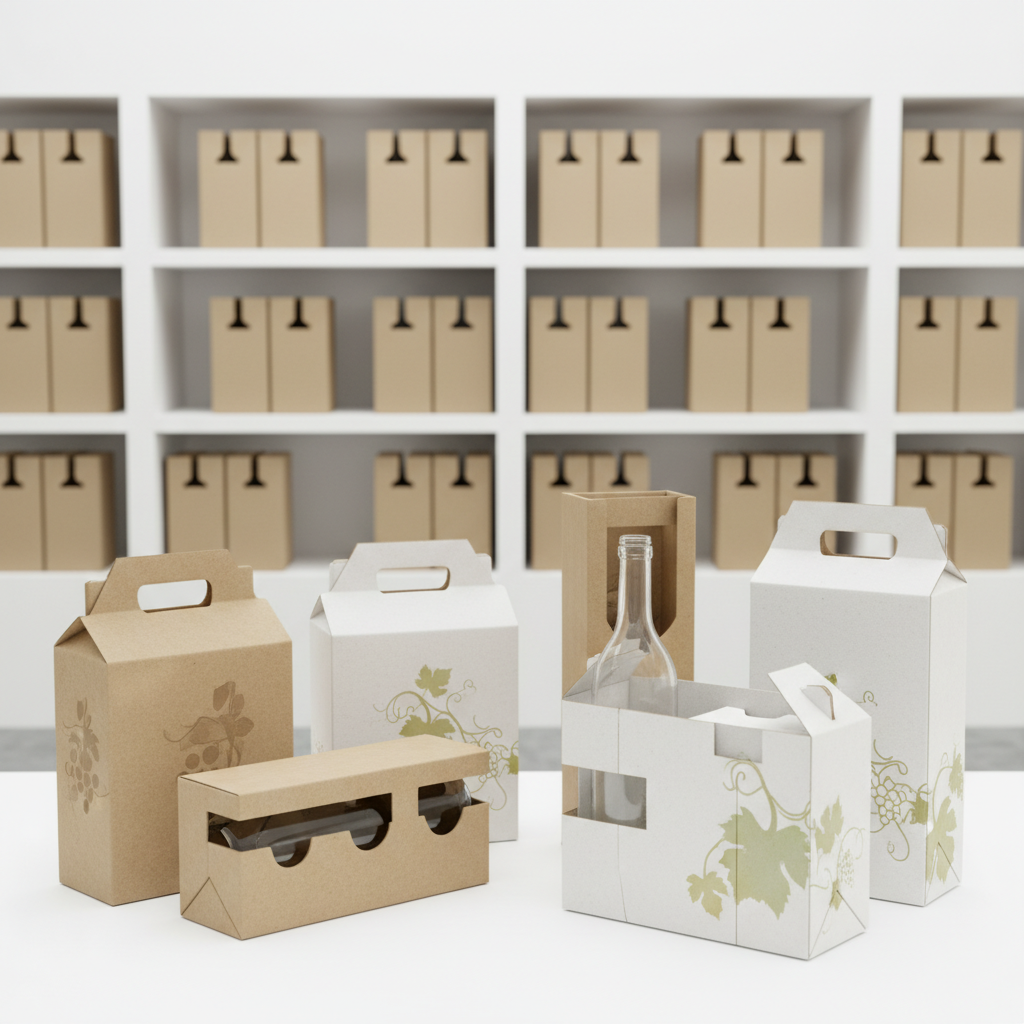
For businesses operating in the competitive landscape of paper product manufacturing, the tactile experience of packaging often speaks louder than a printed logo. A custom embosser provides a sophisticated way to leave a permanent, three-dimensional mark on stationery, luxury bags, and corrugated materials without the need for ink.
Unlike traditional printing, embossing creates a physical deformation of the paper fibers, resulting in a raised image that conveys authenticity and premium quality. For high-street boutiques, artisanal cafes, and e-commerce stores, this subtle yet powerful branding tool serves as a security feature and a mark of prestige.
Understanding the technical nuances of embossing—from die depth to paper weight compatibility—is essential for any brand looking to elevate its physical touchpoints. In this guide, we explore how to integrate bespoke embossing into your packaging strategy to drive perceived value and brand loyalty.

The Mechanics of Paper Deformation in Custom Embossing

Custom embossing is a mechanical process that utilizes a male die and a female counter-die to press paper between two surfaces, stretching the fibers to create a raised relief. This process is distinct from debossing, where the image is pressed into the material, and foil stamping, which uses heat and adhesive.
The quality of the result depends heavily on the "memory" of the paper. High-cotton content papers or heavy-duty corrugated board, such as that used in premium pizza boxes or luxury mailers, respond differently to pressure. If the pressure is too low, the image lacks definition; too high, and the paper fibers may rupture, leading to structural weakness.
In the context of the broader paper products industry, this technique is increasingly used for "blind embossing"—where no ink is added—to create a minimalist, architectural look that appeals to modern, eco-conscious consumers who prefer subtle branding over loud graphics.
Key Evaluation Factors for High-Precision Embossing Dies
When sourcing a custom embosser, the precision of the die is the single most important variable. A high-quality die must be etched with micron-level accuracy to ensure that fine lines and intricate logos are rendered sharply across the entire surface of the material.
Material hardness of the die is another critical factor. For high-volume runs—such as thousands of branded cake boxes or shipping satchels—hardened steel dies are required to prevent wear and tear. For smaller, artisanal batches, brass or polymer dies may suffice, offering a more cost-effective entry point.
Alignment, or "registration," is the final hurdle. If the male and female dies are not perfectly aligned, the resulting emboss will be blurred or slanted. This is particularly noticeable when combining embossing with custom printed stickers or logo prints on the same piece of packaging.
Strategic Application Scenarios Across Diverse Packaging Types
Integrating tactile elements into packaging requires a strategic approach based on the product's end-use. For instance, in the food service sector, embossing on kraft paper bags or noodle pails can signal "organic" or "premium" positioning without adding chemical inks that might interfere with compostability.
In e-commerce, utilizing a custom embosser on courier satchels or bubble mailers adds a layer of perceived security and authenticity. A raised seal on a shipping box acts as a physical brand signature, making the unboxing experience more memorable for the customer.
For specialty items like cake boards and personalized pizza boxes, embossing can be used for functional markers (such as size or flavor indicators) or purely aesthetic brand marks. The key is to balance the depth of the emboss with the structural integrity of the corrugated board to ensure the box remains robust during transport.
Comparing Embossing Impact on Brand Perceived Value
Quantitative data suggests that tactile interfaces significantly impact how customers perceive the luxury status of a brand. When consumers touch a raised logo, the sensory feedback triggers a psychological association with higher quality and attention to detail.
The following chart illustrates the relative increase in perceived value and brand recall when shifting from standard flat printing to high-precision custom embossing across various packaging categories.
custom embosser Performance Metrics
As shown, the "Premium Feel" metric sees the most dramatic increase. While flat printing is efficient for information delivery, embossing excels in emotional connection. This explains why high-end boutiques and specialty food vendors are increasingly investing in tactile branding to differentiate themselves in a saturated market.
Procurement Considerations for Scaling Embossed Packaging
Scaling from a handheld manual embosser to an industrial press involves significant shifts in cost and production logic. Procurement managers must decide between in-house capabilities for short-run customizations and outsourced professional embossing for consistency and speed.
When evaluating suppliers, it is critical to request a "proof of press." This sample demonstrates whether the chosen paper weight—whether it be thin cellophane bags or thick corrugated cartons—can support the desired depth of the emboss without tearing. Many businesses overlook the impact of humidity on paper fibers, which can cause embossing to "flatten" over time if the material isn't properly selected.
Additionally, lead times for custom dies can vary from a few days to several weeks. For those requiring fast turnarounds, such as street food vendors launching a seasonal menu, choosing a supplier with an integrated design-to-production workflow is essential to avoid bottlenecks.
Future Trends in Sustainable Tactile Branding Materials
The shift toward biodegradable and compostable packaging is fundamentally changing the embossing landscape. Traditional plastics are being replaced by PLA-lined papers and mushroom-based materials, which possess different elasticity and compression properties.
We are likely to see an increase in "multi-sensory" packaging, where embossing is combined with recycled textures to create a rustic yet sophisticated feel. This aligns with the growing demand for eco-friendly items that do not sacrifice luxury, allowing brands to maintain a premium image while reducing their carbon footprint.
Furthermore, AI-driven design tools are beginning to optimize die layouts, ensuring that the maximum amount of pressure is applied to the correct areas of the paper to prevent structural failure. This precision allows for more complex, 3D-like effects that were previously too risky for standard corrugated packaging.
Decision Matrix for Selecting the Right Embossing Method
Choosing the right embossing approach depends on the balance between volume, budget, and the desired aesthetic. While a manual embosser offers flexibility for small boutiques, industrial presses are the only viable option for large-scale commercial distribution.
The following matrix provides a comparative analysis of common embossing methods based on their application in the paper products industry.
| Method | Ideal Material | Production Scale | Primary Benefit |
|---|---|---|---|
| Manual Hand-Press | Stationery/Light Card | Ultra-Low (Boutique) | Instant Customization |
| Flatbed Press | Kraft Paper/Bags | Medium (Regional) | Consistent Depth |
| Rotary Embossing | Corrugated Boxes | High (Industrial) | Maximum Throughput |
| Blind Embossing | Premium Cardstock | Variable | Minimalist Elegance |
| Multi-Level Die | Luxury Packaging | Low to Medium | Complex 3D Detail |
| Polymer Stamping | Soft Paper/Tissues | Medium | Low Initial Cost |
For businesses seeking a comprehensive marketplace for branded supplies, reviewing a wide array of packaging options—from corrugated boxes to custom stickers—can help determine where embossing fits best into the overall brand identity. Readers evaluating these options can review the relevant product and company information available through www.packagingonsale.com.
Frequently Asked Questions
Conclusion
Incorporating a custom embosser into your packaging strategy is more than a design choice; it is a strategic investment in brand perception. By leveraging the tactile nature of paper, businesses can communicate luxury, trust, and authenticity in a way that ink alone cannot achieve.
Whether you are enhancing a simple kraft paper bag or creating an elaborate unboxing experience with custom printed boxes, the key lies in the precision of the die and the selection of the material. As the industry moves toward more sustainable, ink-free branding, embossing stands out as a timeless solution for the modern enterprise.