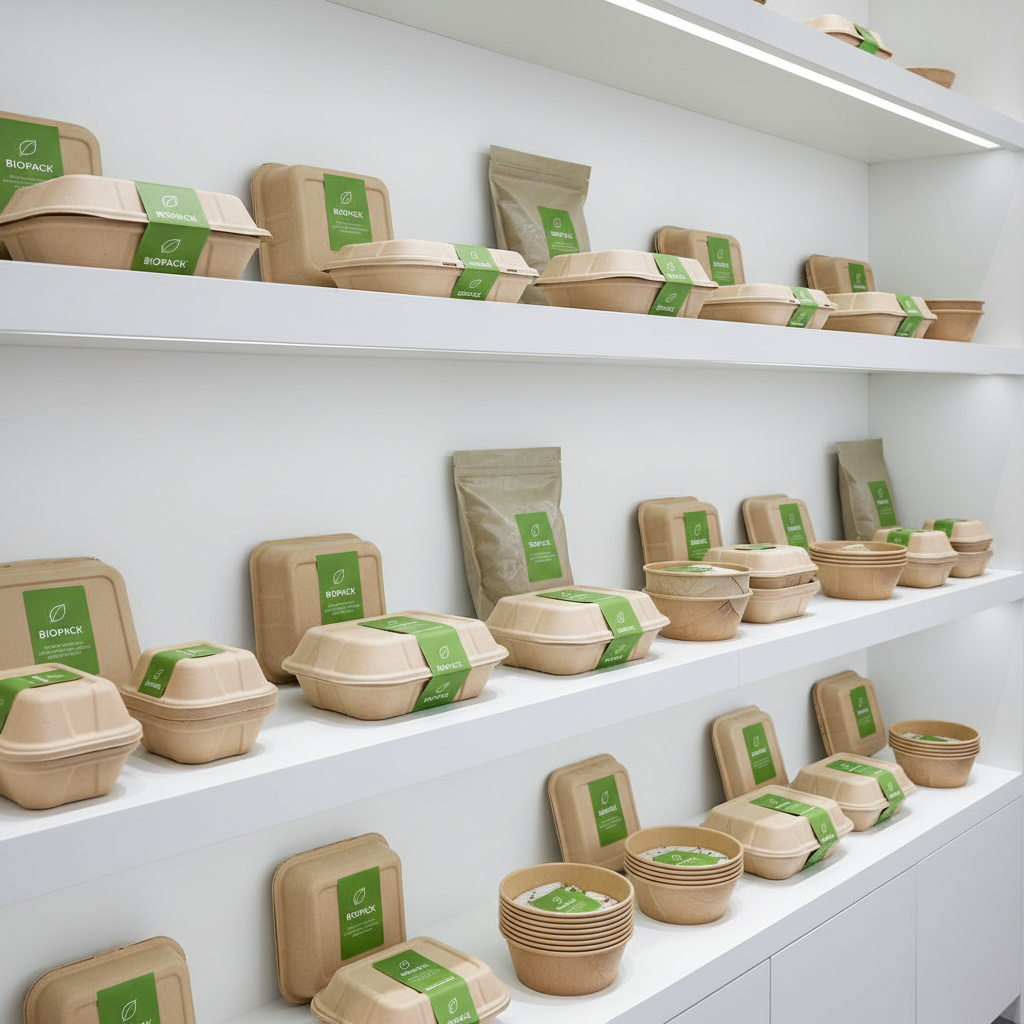
Custom folding carton boxes are precision-engineered packaging solutions made from paperboard that can be shipped flat and assembled quickly. Unlike rigid boxes, these versatile containers are designed to fold along pre-scored lines, making them an ideal choice for retail products, cosmetics, pharmaceuticals, and food packaging where efficiency and aesthetics are paramount.
In a saturated market, generic packaging often fails to communicate a brand's value, leading to missed opportunities in customer engagement. Businesses struggle to balance the need for high-quality structural integrity with the requirement for sustainable materials and cost-effective shipping. This challenge makes the strategic selection of customized carton specifications critical for operational success.
This guide provides a comprehensive analysis of custom folding carton boxes, covering material selection, technical design advantages, and procurement strategies. By the end of this article, procurement managers and business owners will understand how to optimize their packaging workflow to reduce waste while enhancing brand perception.

1Structural Fundamentals of Folding Cartons

The architecture of custom folding carton boxes relies on a combination of die-cutting and scoring. The process begins with a flat sheet of paperboard, which is then cut into a specific template. Scoring creates precise creases that allow the board to fold without cracking, ensuring that the final product maintains a sharp, professional appearance even after multiple assembly cycles.
Different locking mechanisms, such as tuck-tops, auto-bottoms, and snap-locks, determine the ease of assembly and the security of the contents. Auto-bottom boxes, for instance, are pre-glued to pop into shape instantly, which is vital for high-volume packing lines where speed is the primary KPI.
From a logistical perspective, the "flat-ship" nature of these cartons is their greatest asset. By eliminating the air space found in pre-assembled boxes, companies can reduce shipping costs and warehouse footprints significantly, allowing for more inventory to be stored in the same square footage.
2Key Technical Advantages for Retailers
For retailers, custom folding carton boxes serve as a "silent salesperson." The ability to use high-resolution printing, foil stamping, and embossed textures allows brands to communicate luxury and quality before the customer even touches the product. This visual impact is critical for increasing the perceived value of the goods inside.
Beyond aesthetics, these cartons provide essential protection. The thickness of the paperboard (measured in points or GSM) can be adjusted based on the weight of the product. This ensures that fragile items are cushioned while heavier items are supported without the base sagging.
Customization also extends to functional inserts. By adding internal dividers or custom-fit inserts, businesses can eliminate the need for plastic bubble wrap or foam fillers, aligning their packaging strategy with eco-friendly mandates without compromising product safety during transit.
3Application Scenarios and Use Cases
In the pharmaceutical industry, custom folding carton boxes are used not only for containment but for compliance. They provide the necessary surface area for mandatory dosage instructions, barcodes, and expiration dates, while the secure closures prevent tampering and ensure the sterility of the medical contents.
The cosmetic sector leverages these boxes to create an "unboxing experience." By utilizing specialty papers and custom shapes, beauty brands transform a simple purchase into a ritual. Folding cartons are often paired with custom printed stickers or ribbons to add a layer of artisanal quality.
E-commerce brands frequently use these as secondary packaging. A product is placed in a custom folding carton for branding and then shipped inside a corrugated mailer. This dual-layer approach ensures the product arrives in pristine condition while maintaining a premium brand image.
4Performance Metrics and Efficiency Data
Evaluating the efficiency of packaging requires looking at the ratio of material usage to product protection. Custom folding carton boxes typically offer a higher material-to-weight efficiency compared to rigid boxes, reducing the overall carbon footprint per unit shipped.
When analyzing storage costs, the impact of collapsible design is stark. A warehouse storing 10,000 flat-packed folding cartons requires approximately 85% less space than one storing 10,000 pre-assembled rigid boxes, directly lowering overhead costs.
custom folding carton boxes Performance Metrics
Data suggests that brands switching to customized, high-quality folding cartons see an increase in "shelf-stop" rates—the frequency with which customers stop to look at a product—due to improved visual contrast and professional finishing compared to generic packaging.
5Procurement and Material Selection Guide
Selecting the right board is the most critical step in procurement. SBS (Solid Bleached Sulfate) is the gold standard for high-end retail due to its bright white surface and excellent printability. In contrast, Kraft board is preferred for organic or "earthy" branding and offers superior tear resistance.
Cost factors are influenced by order volume and complexity. Die-cutting tools are a one-time investment; therefore, larger runs significantly lower the per-unit cost. Businesses should evaluate the trade-off between a complex custom shape and the increased production time associated with it.
Quality control should focus on the consistency of the fold lines and the adhesion of the glue in auto-bottom versions. Poorly executed folds can lead to "fish-tailing," where the box does not close squarely, affecting the professional look on the retail shelf.
6Sustainability Trends in Paperboard Packaging
The shift toward a circular economy has pushed custom folding carton boxes to the forefront of sustainable packaging. Unlike plastics, paperboard is biodegradable and widely recyclable. Many manufacturers now use FSC-certified forests to ensure that their raw materials are harvested responsibly.
Innovation in soy-based and water-based inks is reducing the VOC (Volatile Organic Compounds) emitted during the printing process. This not only helps the environment but also makes the packaging safer for food-contact applications, meeting strict health and safety regulations.
The trend of "minimalist packaging" involves reducing the overall surface area of the carton while maintaining structural integrity. This approach reduces material waste and lowers the cost of shipping, creating a win-win for both the company and the planet.
7Comparative Analysis: Folding vs. Rigid Boxes
Choosing between folding cartons and rigid boxes depends entirely on the product's price point and shipping requirements. Rigid boxes offer maximum protection and a luxury feel but are expensive to produce and impossible to ship flat, making them unsuitable for high-volume e-commerce.
Folding cartons provide the best balance of cost, utility, and brandability. While they offer less crush resistance than a thick rigid board, the use of high-GSM paperboard can bridge this gap for most consumer goods.
| Feature | Folding Carton | Rigid Box | Generic Box |
|---|---|---|---|
| Shipping State | Flat-packed | Pre-assembled | Varies |
| Unit Cost | Low to Medium | High | Very Low |
| Brand Impact | High (Customizable) | Very High | Low |
| Storage Space | Minimal | Substantial | Minimal |
| Assembly Speed | Fast | N/A | Fast |
| Sustainability | Excellent | Moderate | Moderate |
Ultimately, the decision should be driven by the end-user's experience. For a daily-use product, the convenience and recyclability of a folding carton are preferred. For a one-time luxury purchase, a rigid box may be justified.
Frequently Asked Questions
Conclusion
Custom folding carton boxes represent the ideal intersection of brand marketing, logistical efficiency, and environmental responsibility. By strategically selecting materials and structural designs, businesses can protect their products while creating a powerful first impression that drives customer loyalty and sales.
For companies looking to optimize their packaging strategy, reviewing the available product specifications and customization options is the first step toward operational efficiency. Detailed information on sustainable and high-quality packaging solutions can be found at www.packagingonsale.com.