In the modern competitive landscape of the food service industry, the intersection of sustainable packaging and effective marketing has become a pivotal point for business growth. While many brands focus on the digital realm, the tangible impact of high-quality promotional materials remains unmatched in creating immediate local awareness and customer loyalty.
The evolution of consumer preferences now demands that every touchpoint of a brand—from the container that holds the food to the promotional inserts provided—reflects a commitment to environmental responsibility and aesthetic excellence. This holistic approach ensures that a business doesn't just sell a product, but communicates a value system.
Integrating eco-friendly solutions like sugarcane containers with visually striking colour flyers allows businesses to capture attention while maintaining a green footprint, bridging the gap between aggressive commercial growth and sustainable ethics.
The Strategic Role of Colour Flyers in Modern Marketing
The use of vibrant promotional materials serves as the first point of contact between a brand and a potential customer. In an era of digital saturation, the physical presence of a well-designed advertisement provides a tactile experience that digital ads cannot replicate, creating a stronger psychological connection and higher recall rate.
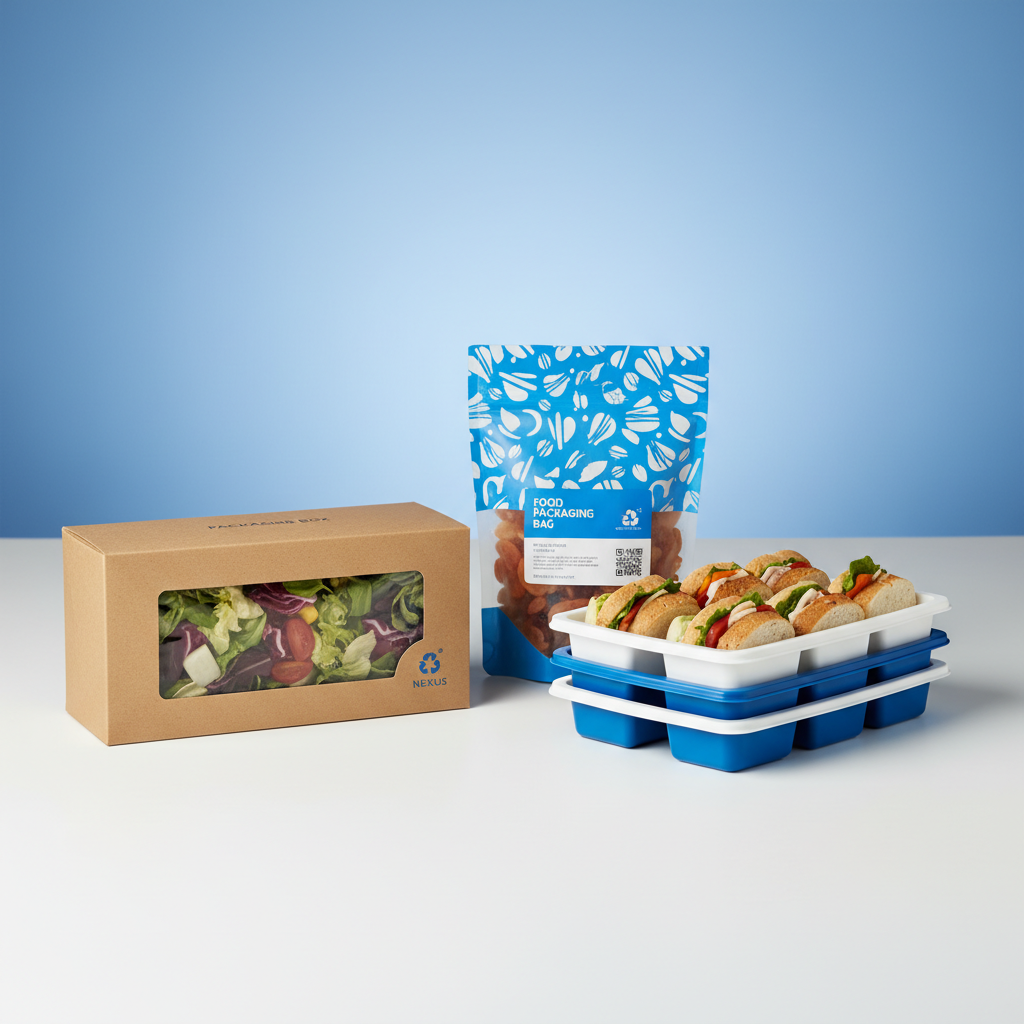
When paired with premium packaging, such as our sugarcane containers which are microwave, fridge, and freezer safe, these marketing tools reinforce the brand's professionalism. The synergy between a clean, eco-friendly container and an engaging visual guide ensures the customer perceives the business as both innovative and responsible.
Global Trends in Sustainable Promotional Media
Across the globe, there is a significant shift toward "Green Marketing," where the materials used for promotion must align with the product's environmental claims. According to recent industry shifts, businesses are moving away from plastic-coated glosses and toward biodegradable or recyclable options to avoid "greenwashing" accusations.
This transition is particularly evident in the takeaway sector. By using fibrous materials like sugarcane—the residue from sugarcane processing—brands can offer packaging that is naturally grease-resistant and eliminates the need for plastic liners, making the entire customer experience cohesive and earth-friendly.
The integration of these sustainable practices with traditional outreach methods ensures that the growth of the business does not come at the cost of the planet. This alignment is now a prerequisite for entering high-standard markets in Europe and North America.
Defining High-Impact Visual Communication
High-impact visual communication refers to the strategic use of color, layout, and material to convey a message instantly. For many local businesses, utilizing colour flyers is the most efficient way to announce new menu items or seasonal offers to a concentrated geographic area.
The effectiveness of these materials is amplified when they complement the product. For instance, a flyer promoting a "Healthy Bowls" range feels more authentic when the food is delivered in a biodegradable sugarcane container, creating a sensory loop of sustainability and quality.
Ultimately, the goal is to reduce the friction between seeing an offer and making a purchase. By leveraging the visual appeal of colour flyers, brands can drive immediate foot traffic and increase the average order value through strategically placed upsell offers.
Key Performance Factors for Marketing Collateral
The success of any physical marketing piece depends on several core factors: visual hierarchy, material durability, and the clarity of the call to action. A design that overwhelms the reader often fails; instead, a balanced approach that guides the eye from the headline to the offer is essential.
Furthermore, the reliability of the accompanying packaging plays a role in overall brand perception. Just as a flyer must be visually stable, the packaging must be functionally stable—meaning it doesn't melt or leak when holding saucy takeaway foods, ensuring the customer's first physical experience with the food is perfect.
Efficiency Comparison of Marketing Collateral
Real-World Applications Across Food Sectors
In the fast-casual dining sector, businesses often distribute promotional materials during peak hours or include them within delivery bags. For a restaurant specializing in greasy or saucy foods, the choice of a sugarcane container is critical because it maintains structural integrity without needing plastic liners, allowing the promotional inserts to remain clean and readable.
Similarly, in the organic food movement, the use of sustainable packaging paired with earth-toned marketing materials creates a brand image of purity and health. This integrated strategy helps these businesses justify premium pricing by demonstrating a commitment to quality in every single detail, from the ink on the page to the fibers in the bowl.
Long-Term Value of Physical Brand Assets
Investing in physical assets provides a level of persistence that digital media lacks. A well-placed advertisement on a fridge or a kitchen counter serves as a constant reminder of the brand, acting as a silent salesperson within the customer's home.
When this physical presence is backed by high-performance products—such as containers that are safe for the microwave and freezer—the brand builds a reputation for reliability. This trust is the foundation of long-term customer lifetime value (LTV).
The social impact of reducing plastic waste by switching to sugarcane-based products also enhances the brand's emotional equity. Customers feel better about their purchase, knowing that their convenience doesn't contribute to landfill growth.
Future Innovations in Print and Packaging
The future of marketing and packaging lies in the convergence of smart technology and bio-materials. We are seeing a rise in QR-coded promotional materials that lead customers to interactive menus, bridging the gap between a physical flyer and a digital storefront.
On the material side, the development of sugarcane-based packaging continues to evolve, with improvements in thermal insulation and moisture barriers. This ensures that the packaging remains the ideal vehicle for any type of takeaway food without sacrificing the environment.
As automation in printing becomes more accessible, personalized marketing will become the norm. Imagine a world where promotional materials are tailored to individual customer preferences, delivered in a package that fully biodegrades in a home compost bin.
Analysis of Sustainable Packaging and Marketing Synergy
| Material Type |
Durability Score |
Eco-Impact |
Market Perception |
| Sugarcane Fiber |
9/10 |
Excellent |
Premium/Eco |
| Recycled Paper |
7/10 |
Good |
Standard/Safe |
| Plastic-Coated |
8/10 |
Poor |
Outdated |
| PLA Bioplastic |
6/10 |
Moderate |
Innovative |
| Kraft Cardboard |
7/10 |
Good |
Rustic/Natural |
| Foam (EPS) |
8/10 |
Very Poor |
Negative |
FAQS
Yes, our Sugarcane Range is specifically designed to be microwave, fridge, and freezer safe. Unlike some plastics, they do not melt or leach harmful chemicals when heated, making them perfect for reheating takeaway meals.
No, liners are not necessary. The fibrous material of the sugarcane container is naturally resistant to grease and sauces, ensuring that the packaging remains sturdy and does not leak during transport.
They provide a tangible, visual reminder of your brand. By combining high-quality imagery with a strong call to action, they drive local awareness and encourage repeat orders more effectively than fleeting social media ads.
Absolutely. It is made from the fibrous material that remains after sugarcane processing, which would otherwise be waste. This makes it a renewable resource that is biodegradable and compostable.
Yes, the most successful campaigns use customized visuals that align with their brand colors and logo. We recommend matching the aesthetic of your flyers with the clean look of your sustainable packaging.
The most effective method is a hybrid approach: inserting them into every delivery order and distributing them in a 2-mile radius around your physical location to capture local foot traffic.
Conclusion
The synergy between high-impact marketing tools and sustainable product delivery is no longer optional; it is a strategic imperative. By combining the immediate visual attraction of colour flyers with the functional and ethical superiority of sugarcane containers, businesses can create a seamless brand experience that respects both the customer and the environment.
Looking forward, the brands that will dominate the market are those that embrace this holistic approach to the customer journey. We encourage business owners to audit their physical touchpoints and transition toward materials that reflect a modern, sustainable, and professional image. For premium packaging solutions, visit our website: www.bulkbuypackaging.com