In the fast-paced world of food delivery and takeaway, the demand for high-quality yet cheap pizza boxes has never been higher. For pizzeria owners, balancing the cost of packaging with the need for structural integrity and heat retention is a constant struggle that directly impacts the bottom line and customer satisfaction.
Beyond simple cost-cutting, the search for affordable packaging is now intertwined with global sustainability trends. Modern businesses are looking for solutions that provide the economic benefit of low-cost materials without sacrificing the eco-friendly standards that today's consumers demand, such as recyclability and biodegradable coatings.
Understanding the nuances of material science, bulk procurement, and design efficiency allows businesses to secure cheap pizza boxes that don't feel "cheap" to the end consumer. This guide explores how to optimize your packaging strategy to maximize value while ensuring your product arrives hot, fresh, and professional.
The Economic Impact of Cheap Pizza Boxes on Small Businesses
For independent pizzerias, the cost of goods sold (COGS) is a critical metric. By sourcing cheap pizza boxes, business owners can significantly reduce their overhead per unit, allowing them to either lower prices for customers or increase their profit margins. In an industry where margins are often razor-thin, a saving of even a few cents per box can translate into thousands of dollars in annual savings.
However, the economic benefit must be weighed against the risk of perceived quality. The goal is to find "value-engineered" packaging—boxes that utilize efficient design to reduce material waste while maintaining the necessary strength to prevent the box from collapsing during delivery, thus avoiding costly refunds or negative reviews.
Essential Material Standards for Low-Cost Packaging
The foundation of any affordable packaging solution lies in the grade of the paperboard used. Most cheap pizza boxes are constructed from E-flute corrugated cardboard or bleached/unbleached kraft paper. These materials provide a balanced ratio of weight to strength, ensuring that the box remains rigid enough to stack in delivery bags without adding unnecessary cost.
Another critical factor is the moisture resistance of the material. Because pizzas release steam, a budget box must still possess a degree of grease resistance. This is often achieved through a thin, food-safe coating or by using high-density virgin fibers that naturally resist soaking through, preventing the "soggy box" syndrome that ruins the customer experience.
Finally, the structural design, including the locking tabs and fold lines, plays a role in cost. Simplified folding mechanisms reduce the manufacturing time and energy required, which in turn lowers the wholesale price. By choosing standardized sizes over custom dimensions, businesses can leverage existing production lines to keep costs at a minimum.
Balancing Cost Efficiency and Thermal Performance
Maintaining the ideal temperature is the primary function of cheap pizza boxes. The thickness of the corrugated wall acts as a natural insulator, trapping heat inside while allowing a small amount of steam to escape through ventilation holes to keep the crust from becoming soft.
To optimize thermal performance without increasing price, many vendors suggest using recycled kraft liners. These materials provide excellent structural support and thermal retention, proving that cheap pizza boxes can compete with premium options when the material science is applied correctly.
The integration of ventilation slots is another area where design meets economy. Strategically placed vents prevent condensation buildup, ensuring the pizza remains crisp. This functional design ensures that the affordability of the packaging does not compromise the gastronomic quality of the product.
Scalability and Bulk Procurement Strategies
The most effective way to obtain cheap pizza boxes is through the economy of scale. By purchasing in massive quantities, businesses can move from retail pricing to wholesale tiers, where the cost per unit drops precipitously. This strategy requires a careful analysis of storage capacity and cash flow to ensure that the savings from bulk buying aren't offset by inventory management costs.
Furthermore, partnering with a direct manufacturer rather than a middleman distributor eliminates several layers of markup. Direct sourcing allows for better quality control and the ability to negotiate long-term contracts, which stabilizes packaging costs even during periods of global paper pulp price volatility.
Cost Efficiency Analysis of Pizza Packaging Methods
Global Applications in the Fast Food Sector
Across the globe, from the bustling streets of New York to the fast-food hubs of Tokyo, cheap pizza boxes serve as the primary vehicle for urban food distribution. In emerging markets, the adoption of affordable, standardized corrugated packaging has enabled small-scale entrepreneurs to launch home-delivery services without needing massive capital investment in expensive equipment.
Moreover, international franchises use these cost-effective solutions to maintain price consistency across different regions. By optimizing the weight of the box, they reduce shipping costs during the distribution of empty packaging to franchisees, showing that the "cheap" aspect of the box contributes to a leaner, more agile global supply chain.
Environmental Sustainability in Budget Packaging
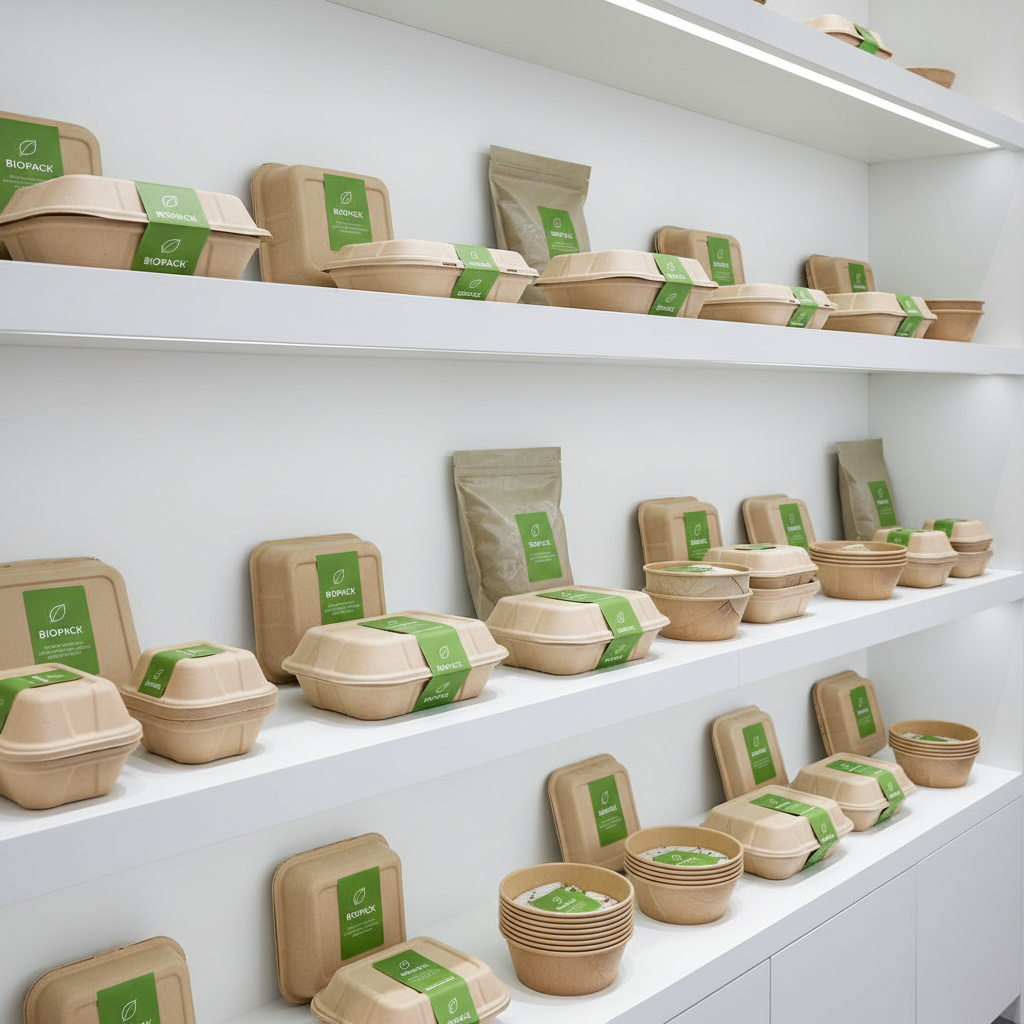
A common misconception is that cheap pizza boxes are inherently harmful to the environment. In reality, many of the most affordable options are made from 100% recycled post-consumer waste. The simplicity of unbleached kraft paper avoids the use of harsh chemicals and dyes, making these boxes easier to compost or recycle than their high-gloss, premium counterparts.
The industry is shifting toward "right-sizing," which means designing boxes that use the absolute minimum amount of material required to protect the pizza. This reduction in material not only lowers the cost—making them the ideal cheap pizza boxes—but also reduces the carbon footprint associated with raw material extraction and transport.
Additionally, the rise of soy-based inks for basic branding allows businesses to keep their costs low while ensuring that the packaging remains biodegradable. This alignment of cost-efficiency and eco-consciousness is creating a new standard for the modern food industry.
Future Innovations in Affordable Corrugated Solutions
The future of cheap pizza boxes lies in the integration of smart materials and automated production. We are seeing the emergence of bio-coatings derived from agricultural waste that provide superior grease resistance at a lower cost than traditional plastic films, ensuring that budget packaging remains sustainable.
Automation in the die-cutting process is further driving down prices. New high-speed machinery can produce millions of units with micron-level precision, reducing waste and allowing for more complex, interlocking designs that eliminate the need for adhesives, thereby lowering the total cost of production.
Furthermore, the shift toward circular economy models means that manufacturers are developing ways to recover and repurpose used pizza boxes more efficiently. As these systems scale, the cost of raw materials for cheap pizza boxes will likely continue to drop, benefiting both the vendor and the planet.
Comparative Analysis of Budget Pizza Packaging Material Variants
| Material Type |
Cost Index (1-10) |
Insulation Grade |
Eco-Friendliness |
| Unbleached Kraft |
10 |
Medium |
Very High |
| E-Flute Corrugated |
8 |
High |
High |
| Recycled Chipboard |
9 |
Low |
High |
| Bleached Whiteboard |
6 |
Medium |
Medium |
| Bio-Coated Kraft |
7 |
Medium |
Very High |
| Thin-Wall Cardboard |
9 |
Low |
Medium |
FAQS
Not necessarily. Quality is determined by the material's ability to retain heat and resist grease, not the price tag. By selecting E-flute corrugated options, you can find cheap pizza boxes that offer professional-grade insulation and structural integrity, ensuring your pizza arrives in perfect condition.
The most effective method is bulk procurement. By increasing your order volume, you can access wholesale pricing tiers. Additionally, choosing standard sizes and unbleached kraft materials instead of custom-printed, bleached options can significantly lower your cost per unit.
Yes, most cheap pizza boxes are made from recycled paper and are fully recyclable. However, it's important to advise customers that boxes heavily contaminated with grease or cheese should be composted or disposed of according to local guidelines rather than put in standard paper recycling.
E-flute is a thinner, more compact corrugated board that provides a smoother surface for printing and better structural rigidity for its weight. It is often the go-to choice for cheap pizza boxes because it offers a premium feel and high strength without the cost of thicker, heavier boards.
Yes. Many suppliers offer low-cost branding options such as one-color soy ink printing or the use of custom stamps. This allows you to maintain the benefits of cheap pizza boxes while still building brand recognition and a professional image.
Store your boxes in a cool, dry environment off the floor using pallets. Since cheap pizza boxes are often shipped flat, ensure they are stacked evenly to prevent warping. Avoid areas with high humidity, as this can weaken the corrugated fibers and affect the box's structural integrity.
Conclusion
Securing high-quality cheap pizza boxes is a strategic balance of material selection, procurement volume, and design efficiency. By focusing on value-engineered solutions like E-flute corrugated board and unbleached kraft paper, businesses can drastically reduce operational costs without compromising the thermal performance or structural reliability of their packaging.
As the industry moves toward a more sustainable and automated future, the gap between "budget" and "premium" packaging continues to close. Investing in a partnership with a direct manufacturer and adopting eco-friendly, bulk-purchased solutions will ensure long-term profitability and a reduced environmental footprint. Visit our website: www.packagingonsale.com to find the perfect packaging balance for your business.